Depok-Two lecturers from the Records and Archives Management study program, Vocational Education Program, Universitas Indonesia (UI), namely Niko Grataridarga, M.Hum. and Muhammad Usman Noor, M.Hum., Ph.D., were present as speakers at the 2026 Bank Indonesia, Ministry, and Institution Archives Festival (FESARBI). Their involvement demonstrates the active contribution of UI Vocational in strengthening the capacity of human resources in the field of archives and information governance in Indonesia.
Carrying the theme “Digital Transformation of Archives Towards an Advanced Indonesia” with a 3C approach (Competence, Champion, and Collaboration), FESARBI 2026 brings together various stakeholders, ranging from Bank Indonesia, ministries and state institutions, academics, students, pupils, and the general public in an effort to build an archival ecosystem that is adaptive to the development of digital technology. The series of activities began with the Road to FESARBI program in April–May 2026 and reached its peak on May 22–23, 2026, at Pos Bloc Jakarta.
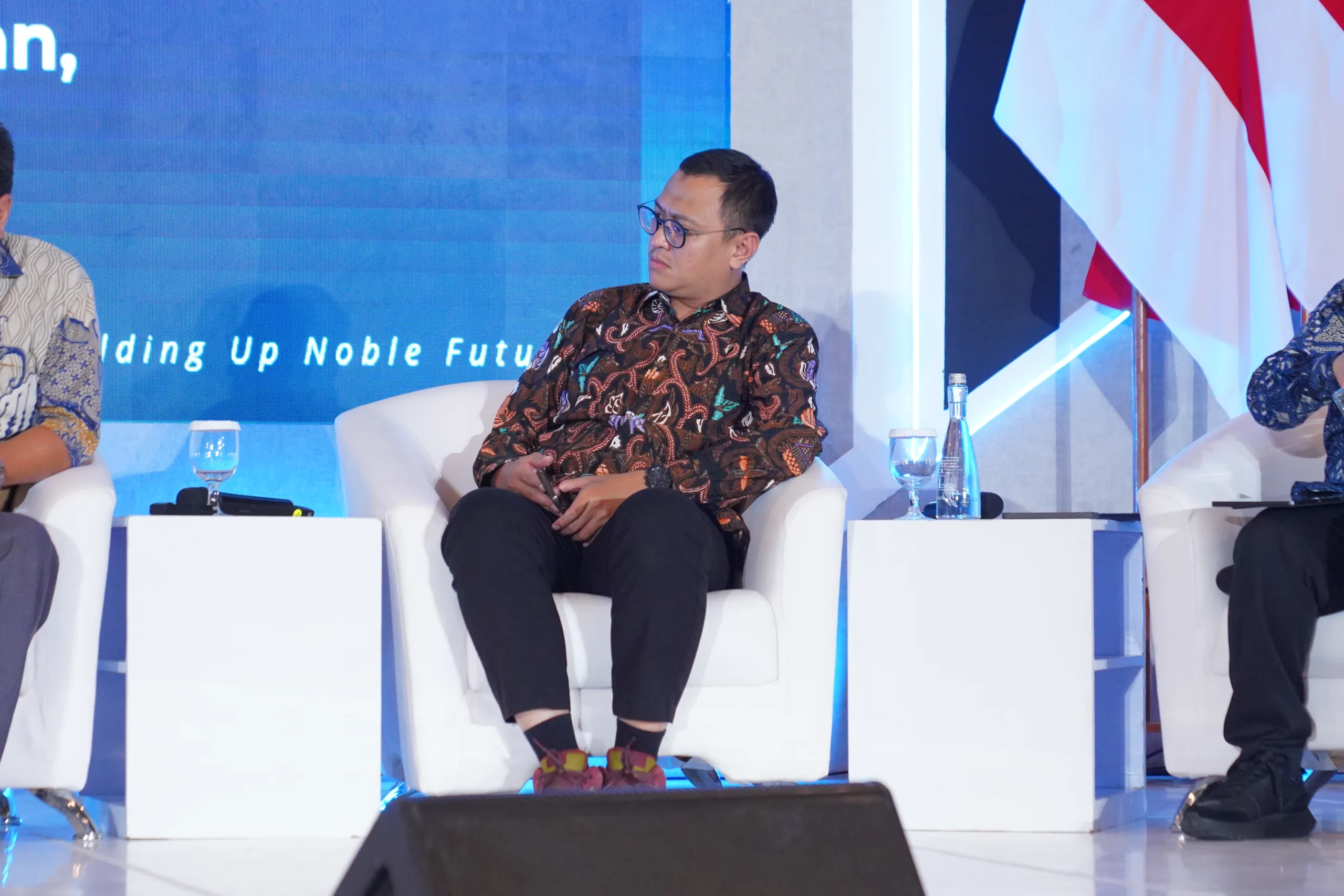 (Photo: Niko during the FESARBI 2026 panel discussion session)
On the first day, Niko presented material highlighting the Record Continuum concept, developed by Frank Upward, as an extension of records and archives management scholarship in response to the development of digital technology in archiving. In his presentation, he explained that the concept views archives not only as the end product of an activity, but as records that are continuously used, interpreted, and have ongoing value in various social, cultural, legal, and organizational contexts.
According to Niko, the development of digital technology has transformed the way organizations create, manage, and utilize information. The emergence of technologies such as artificial intelligence (AI), blockchain, big data analytics, cloud computing, digital forensics, and digital preservation presents both new opportunities and challenges in records and archives management. Niko said, “The science of records and archives management needs to continue to evolve to address issues of authenticity, integrity, security, accessibility, accountability, and sustainability of digital archives.”
 (Photo: Group photo with the speakers at FESARBI 2026)
This topic has become increasingly relevant given the ongoing digital transformation across various sectors. According to the 2024 National Electronic-Based Government Survey (SPBE), Indonesia’s SPBE index reached 4.01, categorized as very good, indicating increasing digitalization of government services and governance. This situation also increases the need for reliable, secure, and sustainable archive and information management systems.
Meanwhile, on the second day, Usman presented material on information governance in the context of modern archiving. He emphasized that almost all human activities today generate information that has the potential to become archives, both in physical and digital form. Photos and videos uploaded to social media, digital conversations, academic documents such as diplomas and transcripts, medical records, policy documents, and even national strategic data are examples of information that requires proper management to ensure optimal utilization and protection from various risks. “Archives contain information that is valuable to society. However, this value can only be realized if archives are managed through a good system, adequate technological support, clear regulations, and competent human resources,” he said.
 (Photo: Usman giving a presentation during the 2026 FESARBI event)
Usman also highlighted the importance of the role of archivists and information managers who not only understand the principles of archiving, but also have skills in the fields of information technology, regulation, data security, and the ever-evolving Indonesian social context.
The participation of the two lecturers from the Records and Archives Management study program emphasizes the role of vocational education in addressing the real needs of the workplace and society. The Records and Archives Management study program also consistently encourages student competency development to enable them to manage records, digital archives, and information governance according to the needs of modern organizations.
Through participation in FESARBI 2026, UI Vocational hopes to increase public archival literacy and encourage an understanding that archives are not just stored documents, but strategic assets that play a role in maintaining accountability, protecting citizens’ rights, supporting decision-making, and preserving the nation’s collective memory in the digital era.
This activity also aligns with efforts to achieve Sustainable Development Goals (SDGs) point 16 (Peace, Justice, and Strong Institutions). Good archives and information management is a crucial foundation for transparent governance, quality public services, and preserving the nation’s memory for future generations.